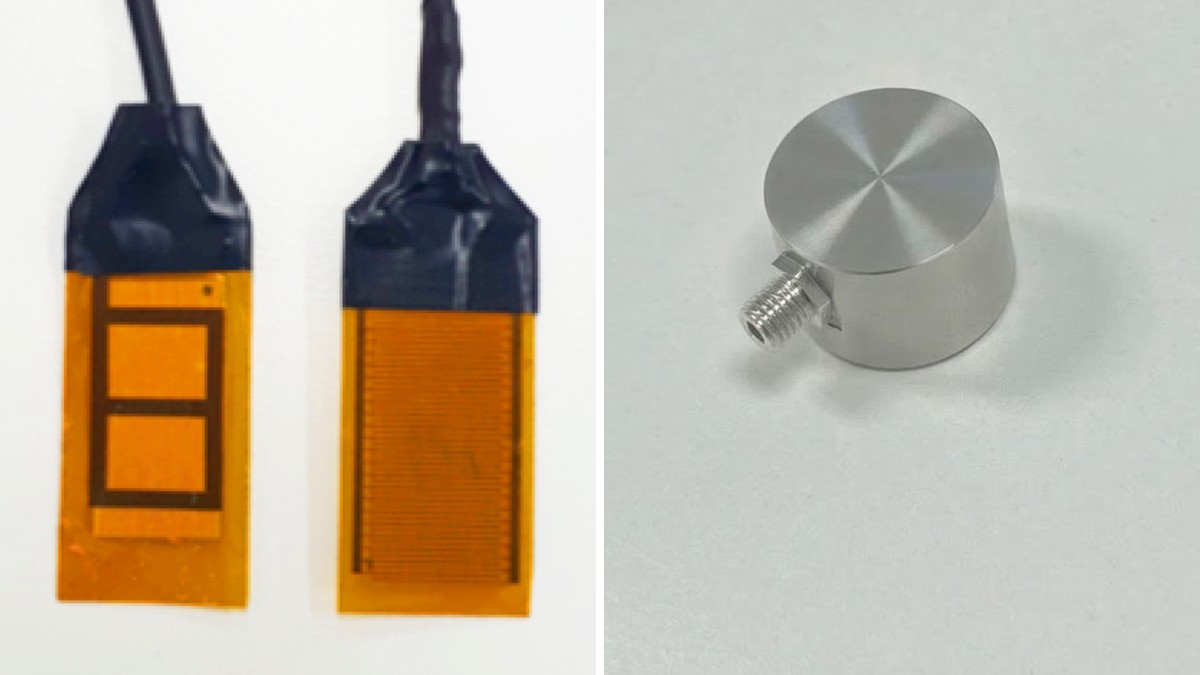
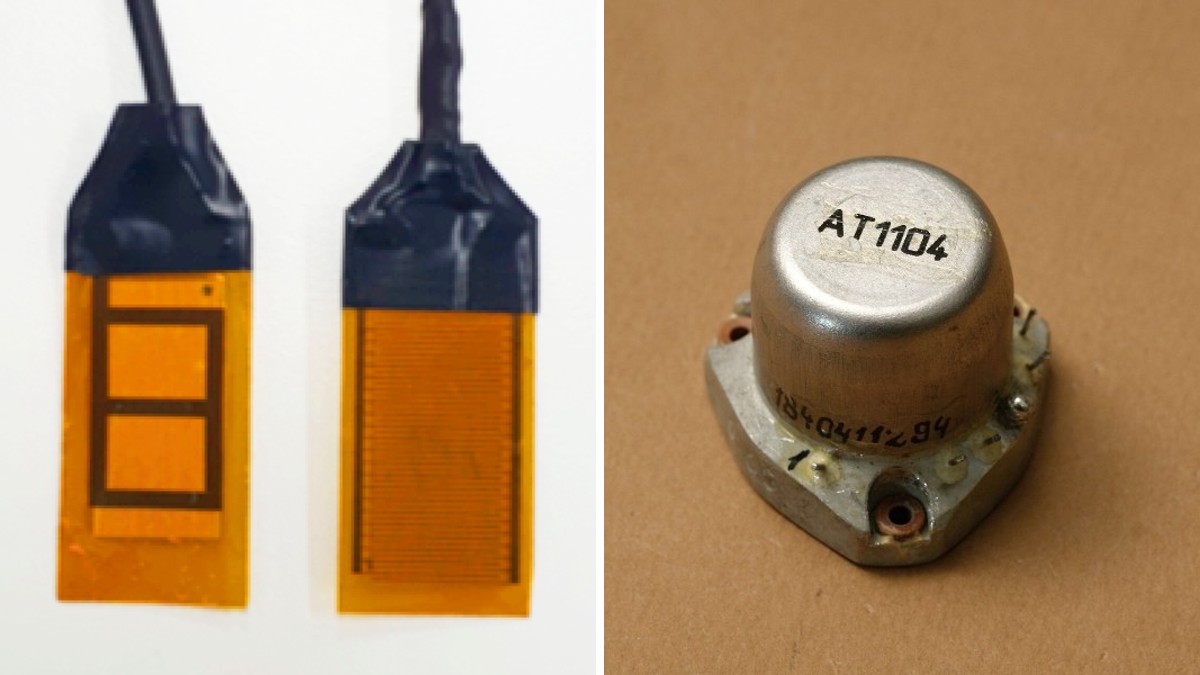
- In the field, noise is always present in AE sensors — mechanical vibration, fluid flow, electrical interference and more.
- Noise handling proceeds in stages: installation → frequency filter → threshold → feature analysis → learning the normal state.
- No single method solves it; setting criteria with site data determines accuracy.
Industrial sites have many kinds of noise, including mechanical vibration, fluid flow and electrical interference. This article explains, step by step, how to distinguish real defect signals in such environments.
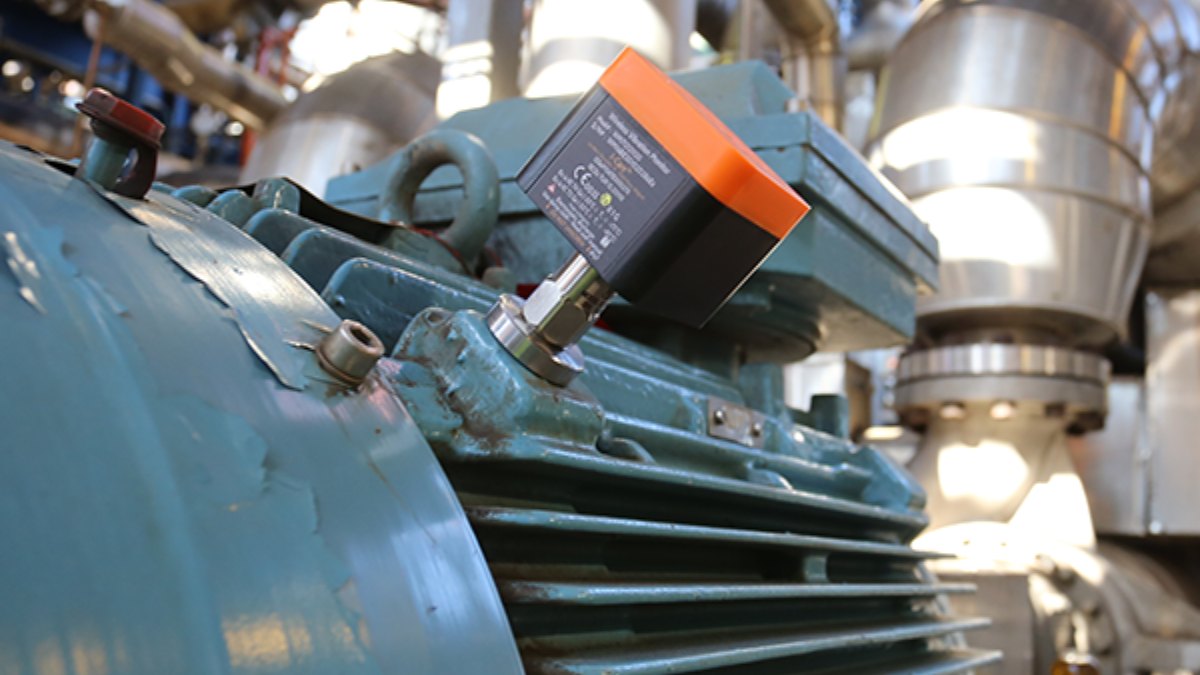
What noise do AE sensors pick up?
| Type | Examples | Characteristics |
|---|---|---|
| Mechanical noise | Motor and pump rotation, gear meshing, impacts | Mostly low frequency, repeats with the operating cycle |
| Flow noise | Normal fluid flow in pipes, valve operation | Continuous; level changes with operating conditions |
| Electrical noise | Inverters, welders, power lines, grounding issues | Specific frequency components; appears on multiple sensors at once |
| External impacts | Worker contact, dropped tools, raindrops | Momentary and irregular |
Step 1: Reduce noise at installation
Before signal processing, the first task is to install so that less noise enters. Mount the sensor close to the monitored target rather than directly on a vibration source, and keep coupling consistent with couplant. Use shielded cables and proper grounding; placing the preamp close to the sensor or using a sensor with an integrated preamp reduces electrical noise.
Step 2: Filter by frequency band
Mechanical and flow noise is mostly concentrated at low frequencies, while AE signals lie in higher bands. Applying a band-pass filter suited to the target can therefore remove much of the noise. The band is chosen after first measuring the frequency distribution during normal operation on site.
Step 3: Record only meaningful signals with a threshold
Background noise remains even after filtering. A typical AE system records an event — a hit — only when the signal exceeds a certain level (the threshold). If the threshold is too low, noise accumulates as hits; if too high, weak defect signals are missed. It is therefore common to measure the background noise level during normal operation and set the threshold slightly above it.
Step 4: Distinguish by signal shape
Not every signal above the threshold is a defect signal. Because AE from defects and noise have different waveform shapes, they are distinguished by comparing features such as rise time, duration, counts, energy and frequency centroid. For example, electrical noise often has an extremely fast rise and appears on several channels at once, while external impacts have large low-frequency components and are irregular. With multiple sensors, the source location can be estimated from the arrival order, so signals from outside the monitored zone can be excluded.
Step 5: Learn the normal state and look for changes
Because normal operating noise differs at every site, fixed criteria alone easily cause false alarms. It is effective to learn the signal features of the normal state over a period to build a baseline, and to treat deviations from that baseline as anomalies. Since signals change with operating conditions (load, speed, flow), it is good to set separate baselines per condition or to view them together with operating data.
If you keep raising the threshold because of frequent false alarms, you may also miss real defect signals. Recording when and under which operating conditions false alarms occur, and addressing each cause, is ultimately faster.
Hesitating to adopt AE because of site noise?
We first check the noise level with on-site measurements and review feasibility together with you.
Contact usView use cases