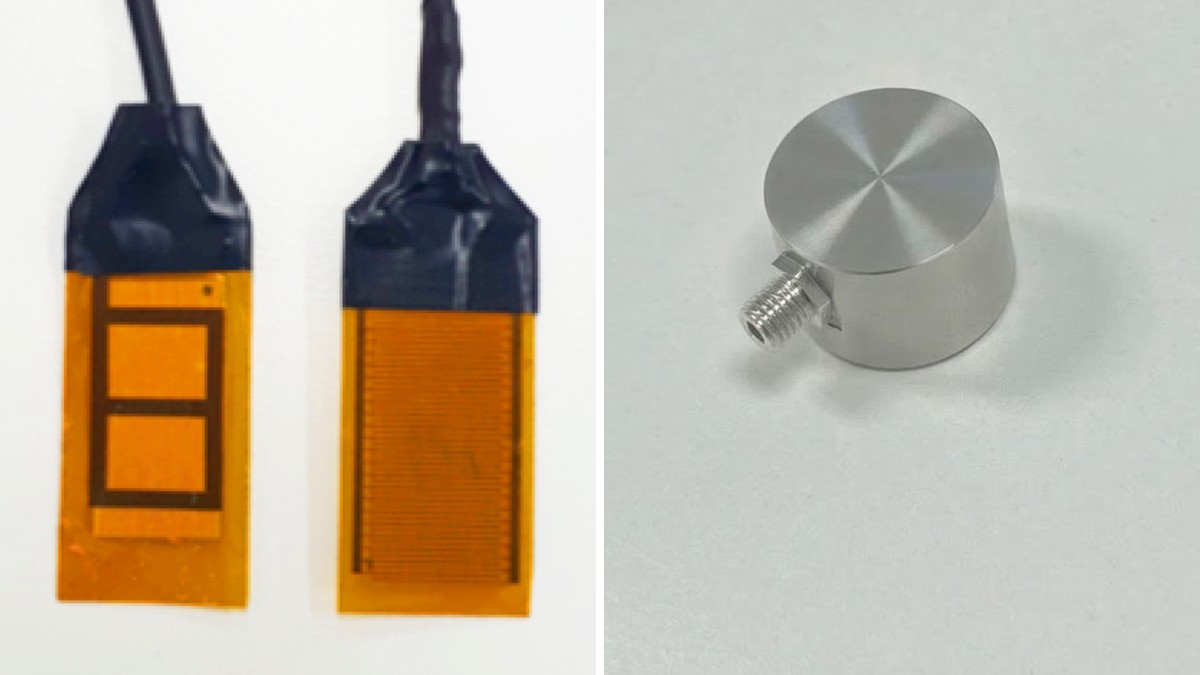
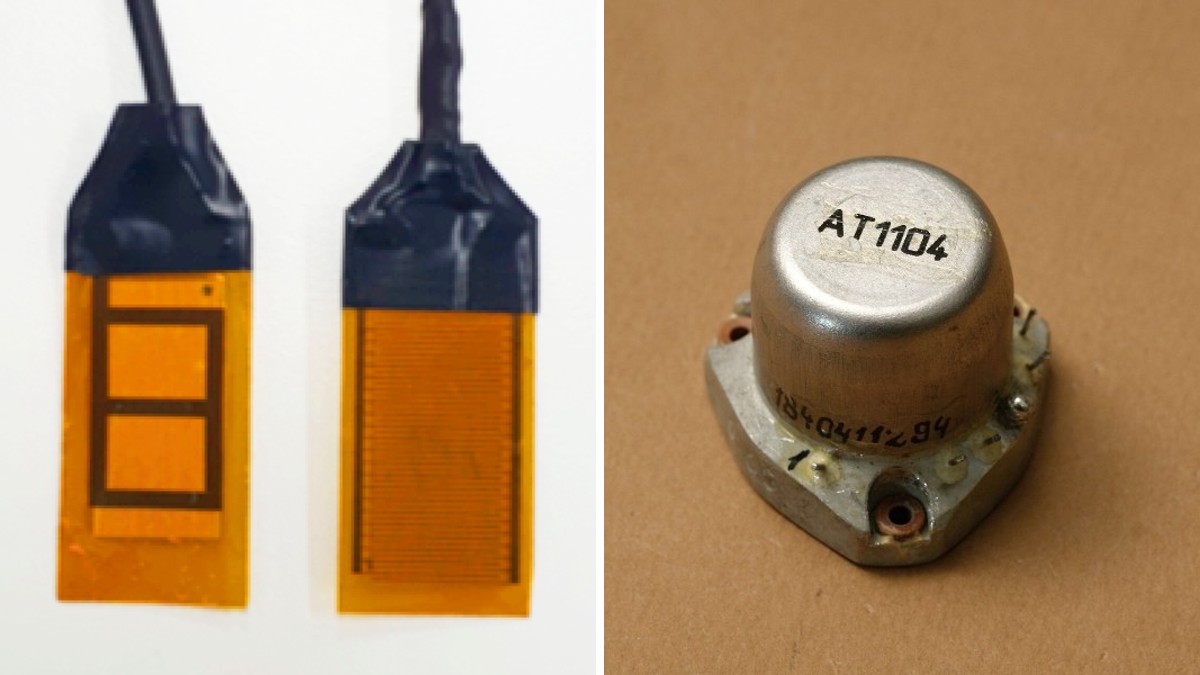
- Bearing and gear defects create impacts that repeat at regular intervals with every rotation, and AE sensors can catch these signals from the earliest stage of damage.
- Analyzing the repetition interval (fault frequency) indicates which component is defective.
- AE is especially effective for faults that vibration sensors struggle with, such as slow-speed machinery and poor lubrication.
Failures of motors, gearboxes and bearings can stop an entire production line. This article explains how AE sensors detect faults in rotating machinery and the conditions in which AE is particularly effective.
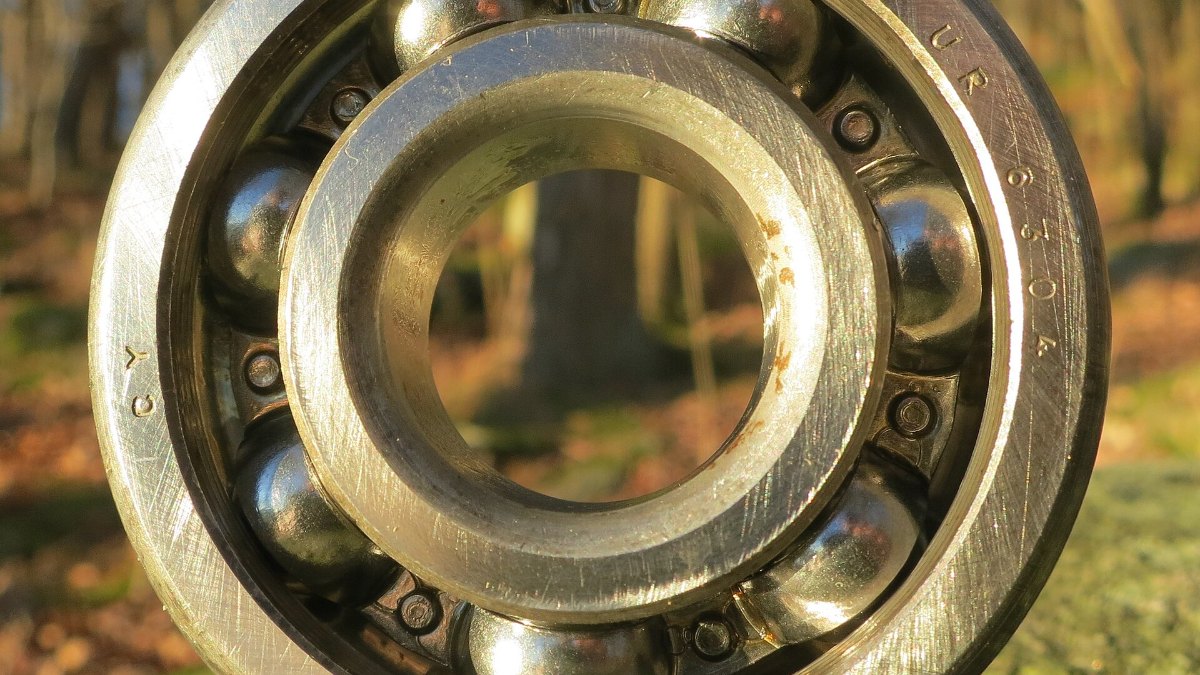
Where does AE come from in rotating machinery?
- Surface defects: Impacts occur when balls or mating gear teeth pass over micro-cracks or spalls on bearing raceways or gear teeth.
- Friction: When lubricant is insufficient or contaminated, metal surfaces touch directly and friction signals increase.
- Crack growth: Signals are generated when cracks grow inside fatigued components.
- Contaminants: Particles in the lubricant get caught between contact surfaces and cause irregular impacts.
Defect signals repeat at regular intervals
If there is a small defect on a bearing outer race, a short impact occurs every time a ball passes that point. With a given rotational speed and bearing geometry, the interval between impacts is fixed. This repetition rate is called the fault frequency, and it differs for the outer race, inner race, balls and cage.
How to identify the faulty component
AE signals have very high frequencies, so the repetition interval is not easy to see directly. Envelope analysis — extracting the signal envelope and then performing frequency analysis — is therefore widely used. If peaks appear at a specific fault frequency and its harmonics, a defect in the corresponding component can be suspected.
When AE is especially effective
| Situation | Reason |
|---|---|
| Slow-speed machinery | At low speed, impact energy is small and hard to see with vibration sensors, but AE can detect even tiny impacts. |
| Lubrication management | When friction increases due to insufficient or contaminated lubricant, AE signal strength rises first. |
| Early detection of initial damage | Signals appear from the subsurface micro-crack stage, so maintenance can be planned before vibration increases. |
| Equipment with strong background vibration | Machine vibration is concentrated at low frequencies and is easy to separate from the AE band. |
Conversely, faults that shake the whole machine — imbalance, shaft misalignment and looseness — are better revealed by vibration sensors. For rotating machinery we therefore recommend a configuration that monitors AE and vibration together, and current and temperature where needed.
Real-world case
At a film manufacturing site, equipment combining a chain drive, gearbox and motor suffered periodic gear and motor failures due to rotational imbalance. AE, vibration, current and temperature sensors were installed together and linked to web/app monitoring, on-site warning lights and app notifications, so abnormal signals are captured in advance and planned maintenance prevents unplanned shutdowns.
Do you have rotating equipment with recurring failures?
Tell us about the equipment structure and failure history, and we will propose a sensor configuration and monitoring plan.
Contact usView use cases