- Cracks in metal equipment emit AE signals only at the moment they grow. AE can therefore single out “damage that is progressing now”.
- Looking at how event rate and energy increase over time reveals how fast damage is progressing.
- Besides cracks, slowly progressing damage such as corrosion, wear and tearing can also be monitored continuously.
In equipment such as pressure vessels, pipes and storage tanks, damage can progress inside even when nothing looks wrong from the outside, and if it grows between scheduled inspections it can lead to sudden shutdowns or failure. This article explains how AE sensors detect cracks and signs of damage.
Why do cracks produce AE signals?
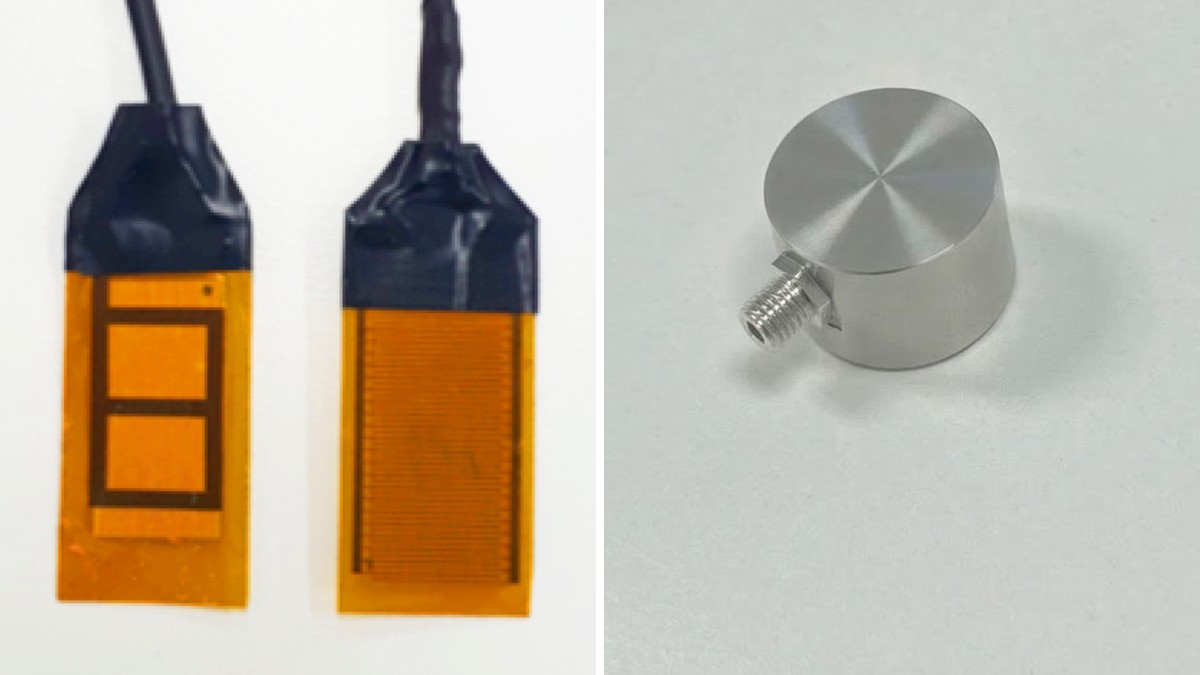
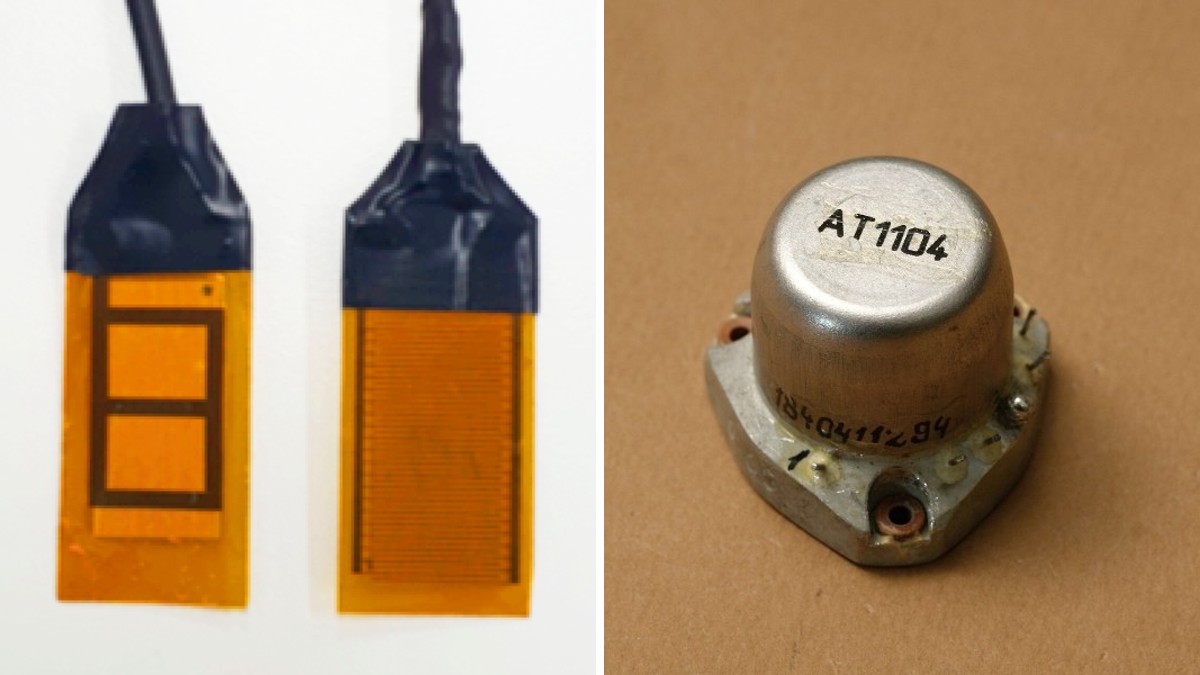
When metal under load or pressure contains a crack, stress concentrates at the crack tip. When the material can no longer withstand that stress, the crack grows slightly and the stored energy is released all at once, producing a short, strong elastic wave (a burst-type AE signal). An AE sensor mounted on the equipment surface detects this signal.
The key point is that a dormant crack emits no signal. Ultrasonic or radiographic testing shows the size and shape of a defect, but a single inspection can hardly tell whether that defect is growing now. AE, on the other hand, responds only to active damage, which makes it effective for identifying which of many defects are actually dangerous.
How is damage progression judged?
Rather than judging from a single signal, we look at how often and how strongly signals occur over a period. During normal operation signals accumulate gradually, but once damage starts to progress actively, hit counts and energy increase rapidly.
- Event rate: whether hits per unit time are increasing
- Signal strength: whether amplitude and energy are increasing
- Source location: whether signals repeat in the same section (with two or more sensors)
- Relation to operating conditions: whether signals increase as pressure or load rises
For reference, metals emit almost no AE until the previous maximum load is exceeded (the Kaiser effect). Conversely, if signals appear at loads lower than before, it can be interpreted as a sign that damage has already accumulated inside the material.
Other damage AE can detect
| Damage type | AE signal characteristics | Typical locations |
|---|---|---|
| Crack growth | Short, strong burst signals linked to load changes | Pressure vessels, welds, pipe supports |
| Corrosion | Repeated weak signals as corrosion products crack or detach | Storage tank floors, outer and inner pipe surfaces |
| Wear · play | Signal strength gradually increases from contact friction and micro-impacts | Pipe connections, valves, tube supports |
| Tearing · imminent rupture | Sharp increase in event rate and energy | Areas where wear and corrosion have accumulated |
How is it different from conventional inspection?
Rather than replacing precise inspections such as ultrasonic or radiographic testing, AE is closer to telling you where and when to perform them. By continuously monitoring a wide area during operation and inspecting in detail only the sections that show abnormal signals, inspection efficiency increases and the risk of sudden shutdowns decreases. The international standard ASTM E1139 also defines the purpose of continuous AE monitoring of in-service pressure vessels and piping as detecting, locating and characterizing AE sources, with confirmation by other NDT methods where necessary.
Real-world case
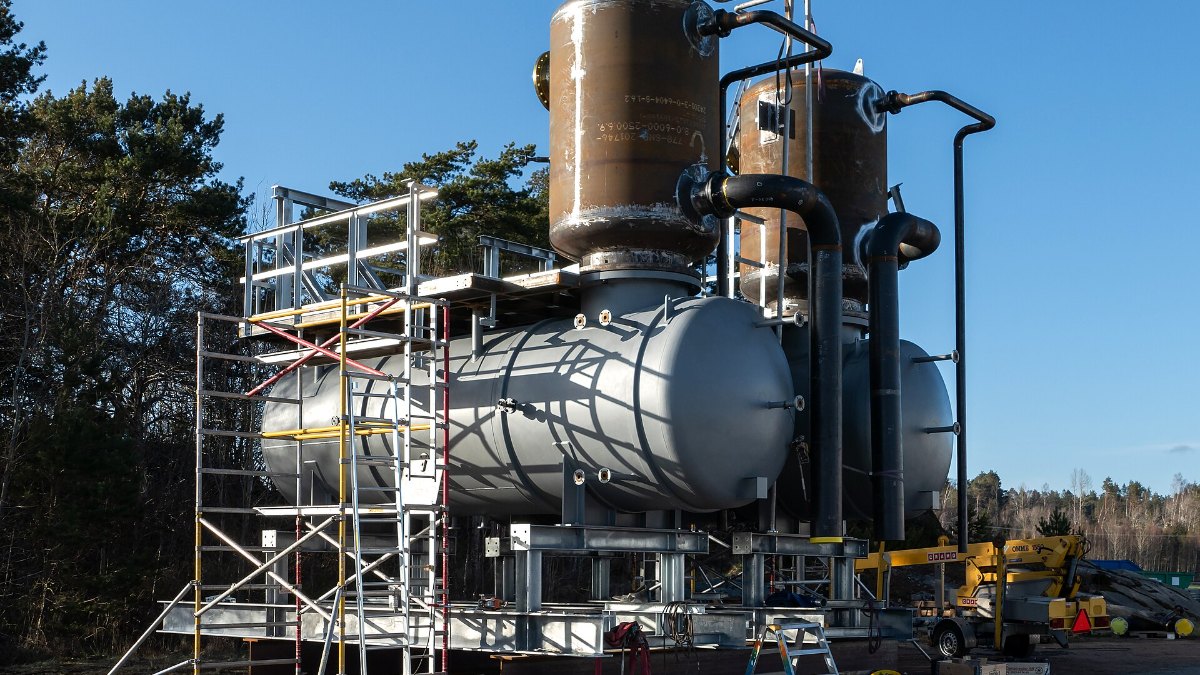
At one chemical and refining site, a problem in which wear and corrosion from slight play led to pipe tearing and sudden shutdowns is now managed with continuous AE monitoring. Waveguides were applied to sections above 200 °C and explosion-proof enclosures to hazardous areas, and abnormal signals were captured early so that planned maintenance prevented unplanned shutdowns.
Don’t miss equipment damage between scheduled inspections
Tell us which equipment needs monitoring and its operating conditions, and we will propose a sensor layout and monitoring plan.
Contact usView use cases[1] ASTM E1139/E1139M, Standard Practice for Continuous Monitoring of Acoustic Emission from Metal Pressure Boundaries.